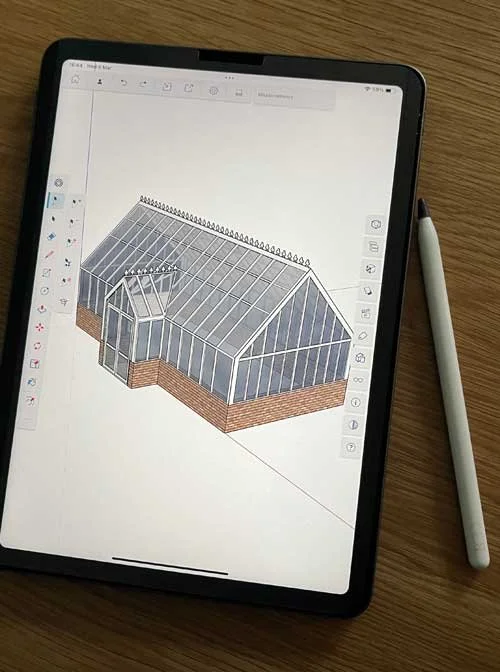
Duration: 1 day
Dates:
Start time: 08:30
Finish time: 16:30
Interested in Installing Water Features?
Looking to start your own business? Want to expand your current business with new services and products? Water feature installation offers a rewarding profit margin. Aquascape makes it easy to get started by offering a selection of water feature kits that can be installed in a day (or less).
Join us for a hands-on, pond-building session that teaches how to install an 11’x16’ pond kit using 20 products and 20 steps to get the job done in just one day!
This event is open to all skill levels, from novice to professional. Lunch is not provided.
This course is a hands on course and involves building
ADDITIONAL INFORMATION
Free membership access (worth £50) to The Landscape Library for 6 months, for all course participants once they have attended a TASK Industry Course. This includes access to training resources, articles, features, templates, publications, advice notes, cross section drawings and mentorship. Please email alangsargent@gmail.com once you have attended the course to access your membership.
GOOD TO KNOW
Lunch is not included; we recommend you bring your own packed lunch for each day
You will receive an automated email from our order system to confirm your booking.
One week before the date of the course, you will receive a course confirmation email with further information and course joining instructions, which includes what to bring with you.
There is currently no accommodation available at Lower End Farm for TASK students. There are plenty of local accommodation possibilities; please contact us for a range of options.
Participants are required to have a minimum level 2 in English and Maths.
Min age: 18
LOCATION
Lower End Farm, Lower End, Birlingham, Pershore, Worcestershire WR10 3AD
TERMS & CONDITIONS
All bookings for a course or event at TASK are subject to our standard Terms and Conditions.
We look forward to welcoming you to TASK Academy
M
Duration: 1 day
Dates:
Start time: 08:30
Finish time: 16:30
Interested in Installing Water Features?
Looking to start your own business? Want to expand your current business with new services and products? Water feature installation offers a rewarding profit margin. Aquascape makes it easy to get started by offering a selection of water feature kits that can be installed in a day (or less).
Join us for a hands-on, pond-building session that teaches how to install an 11’x16’ pond kit using 20 products and 20 steps to get the job done in just one day!
This event is open to all skill levels, from novice to professional. Lunch is not provided.
This course is a hands on course and involves building
ADDITIONAL INFORMATION
Free membership access (worth £50) to The Landscape Library for 6 months, for all course participants once they have attended a TASK Industry Course. This includes access to training resources, articles, features, templates, publications, advice notes, cross section drawings and mentorship. Please email alangsargent@gmail.com once you have attended the course to access your membership.
GOOD TO KNOW
Lunch is not included; we recommend you bring your own packed lunch for each day
You will receive an automated email from our order system to confirm your booking.
One week before the date of the course, you will receive a course confirmation email with further information and course joining instructions, which includes what to bring with you.
There is currently no accommodation available at Lower End Farm for TASK students. There are plenty of local accommodation possibilities; please contact us for a range of options.
Participants are required to have a minimum level 2 in English and Maths.
Min age: 18
LOCATION
Lower End Farm, Lower End, Birlingham, Pershore, Worcestershire WR10 3AD
TERMS & CONDITIONS
All bookings for a course or event at TASK are subject to our standard Terms and Conditions.
We look forward to welcoming you to TASK Academy
M


 Image 1 of 6
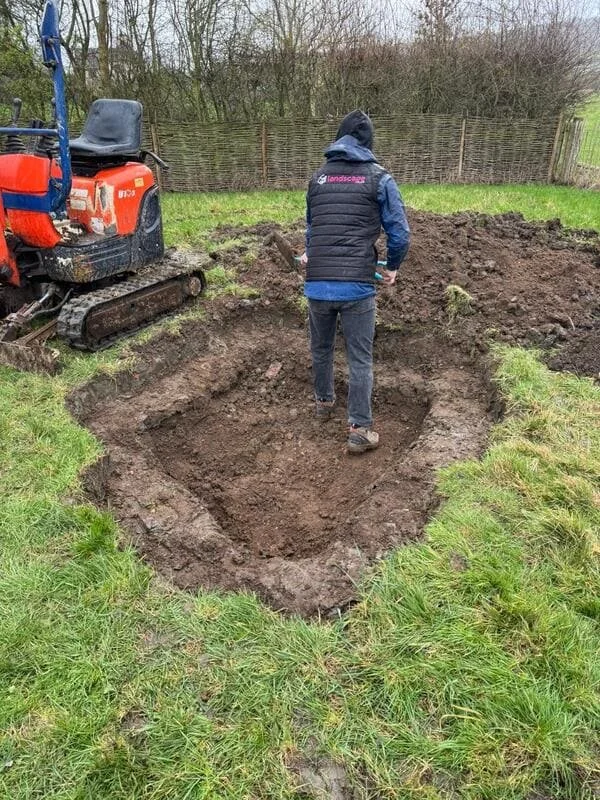 Image 2 of 6
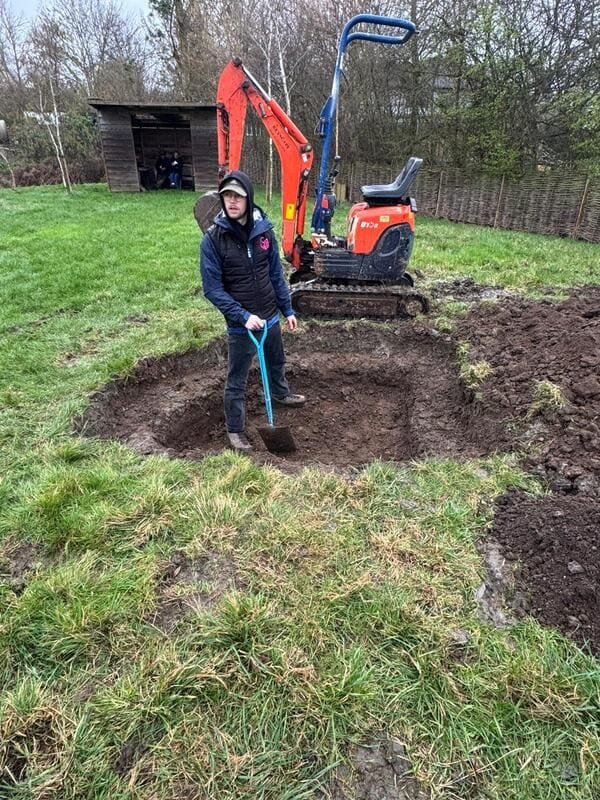 Image 3 of 6
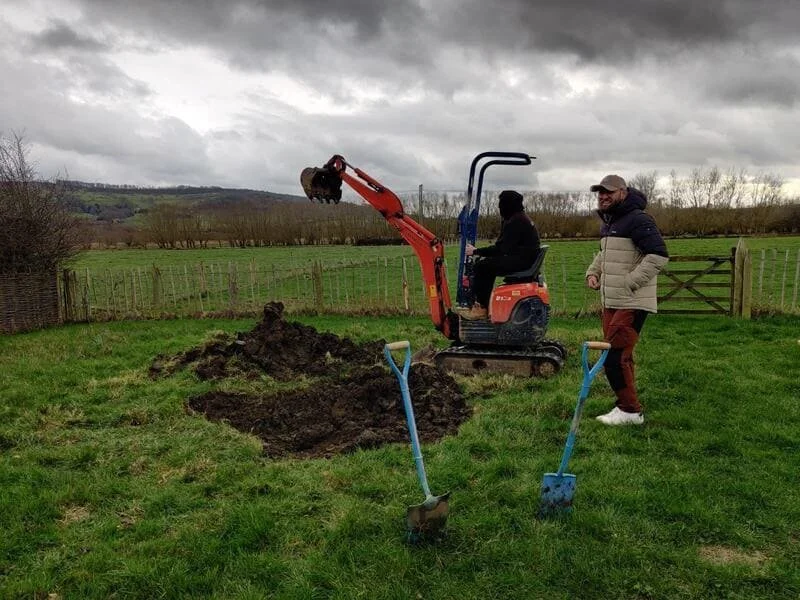 Image 4 of 6
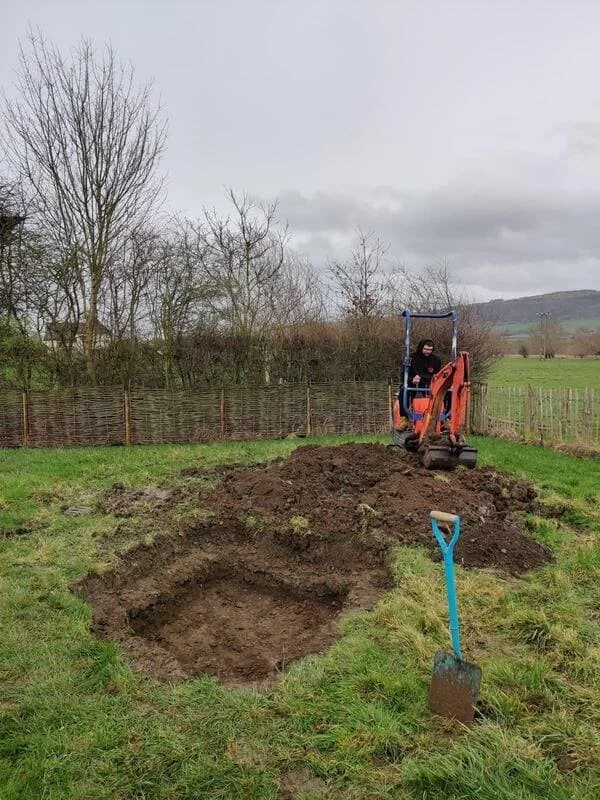 Image 5 of 6
 Image 6 of 6